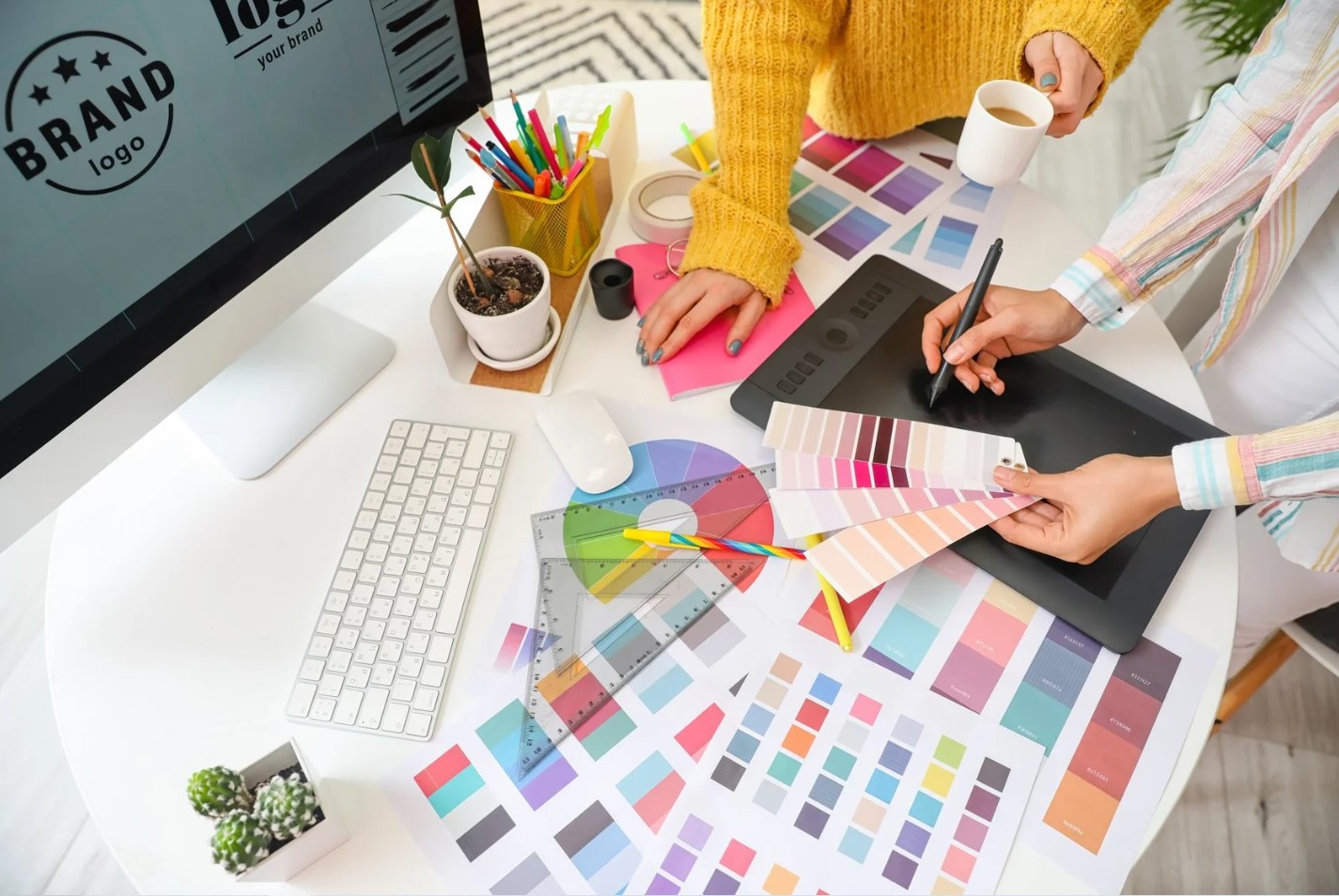
In 2026, design across disciplines converges on human-centered, sustainable, and innovative approaches. From cozy, soulful homes embracing interior design trends like maximalism with meaning and earthy palettes, to digital interfaces prioritizing fluid responsive design with AI-driven adaptability, and problem-solving frameworks evolving through design thinking with agentic AI and multimodal experiences, the year emphasizes intention over fleeting aesthetics. Whether refreshing a Jaipur home or crafting user-friendly websites, these interconnected fields create spaces—physical and virtual—that support well-being, equity, and creativity. This article explores the latest 2026 updates, blending timeless principles with emerging innovations for practical inspiration.
Interior Design Trends 2026: Warmth, Bold Statements, and Meaningful Spaces
Interior design trends in 2026 shift from sterile minimalism to lived-in, purposeful environments. Designers note a backlash against cold neutrals, favoring bold colors, textures, and personal storytelling. Maximalism returns with intention—layered patterns, vintage pieces, and eclectic mixes that feel curated rather than chaotic.
Earthy and moody palettes dominate: deep teals, muted greens, warm umbers, pistachio-chartreuse, ochre, and desaturated sky blues. Benjamin Moore’s influences appear in rich tones like Silhouette AF-655 for cabinetry. Neutrals evolve to warmer, forgiving shades inspired by natural elements, moving away from flat grays toward creamy ivories and luminous surfaces.
Key trends include:
- Grandma Chic and nostalgia: Antique pops, heirloom furniture, and textured details like eyelet fabrics, modern damasks, jacquards, and tapestries evoke comfort and heritage.
- Sculptural and organic shapes: Curved furniture, biomorphic forms, and oversized pieces add softness and movement.
- Darker, moodier colors and the “fifth wall”: Ceilings gain attention with dramatic treatments; rich browns, charcoals, and greens create intimate, lingering spaces.
- Maximalism with soul: Patterns as new neutrals, jewel-tone velvets, and artisanal craftsmanship prioritize longevity over trends.
- Vintage Villa and Willow Market vibes: Artful contrasts in earthy tones or pastel paradises blend global influences with serene living.
In Jaipur’s context, these align with Rajasthan’s heritage—incorporating warm woods, plaster finishes, and Moroccan glazed tiles for timeless appeal. Sustainability drives choices: natural materials, recycled elements, and biophilic designs connect homes to nature. Dining rooms revive as functional, connection-focused spaces with moody lighting and textured walls.
Experts emphasize timeless over trendy: choose elements supporting daily life, like super tall islands or furniture-forward appliances in kitchens. 2026 homes feel soulful—less showroom, more personal sanctuary.
Responsive Design in 2026: Fluid, Adaptive, and User-First Digital Experiences
Responsive design evolves beyond basic mobile-friendliness to intelligent, performance-driven systems. With diverse devices (foldables, wearables, multi-screens), traditional breakpoints give way to fluid layouts using container queries, clamp functions, and adaptive units (vw, vh).
Top trends include:
- AI-driven adaptive layouts and personalization: Sites adjust content, navigation, and interactions in real-time based on user behavior, preferences, and context.
- Immersive 3D and spatial UX: Depth, layered motion, micro-interactions, and 3D elements create environment-like experiences.
- Experimental navigation and vibrant palettes: Non-linear paths, kinetic typography, and bold colors boost engagement.
- Performance-first and sustainable design: Sub-2.5-second loads, low-light UX (dark mode), and eco-conscious practices (efficient code, reduced data) rank higher and retain users.
- Accessibility as default: Inclusive features like multimodal interfaces and agentic AI ensure equity.
- Bento grids and glassmorphism: Modular, card-based layouts inspired by Japanese design offer responsive elegance with futuristic warmth.
In 2026, responsive means hyper-personalized journeys—AI agents handle tasks, while fluid designs maintain consistency across devices. For Jaipur businesses or creators, this means fast-loading sites for local searches, vibrant visuals reflecting cultural vibrancy, and inclusive access.
Design Thinking in 2026: Evolving Frameworks for Innovation
Design thinking—the human-centered process of empathize, define, ideate, prototype, test—integrates deeply with AI and emerging tech. In 2026, it becomes more agentic, multimodal, and emotionally aware.
Updates include:
- Agentic AI integration: AI agents execute tasks, generate design systems, and collaborate, shifting designers to strategic oversight.
- Multimodal and immersive experiences: Designs engage senses—touch, voice, visuals—for richer interactions.
- Hands-on leadership and craft: Emphasis on tactile textures, hand-drawn details, and human strategy amid AI tools.
- Placekeeping and community-driven approaches: Beyond placemaking, focus on equity, resilience, and local culture.
- Emotionally aware and hyper-personalized modes: AI detects intent for tailored solutions.
- Sustainable and inclusive defaults: Climate resilience, workforce shifts, and accessibility guide decisions.
Trends like prompt engineering for AI, machine experience (MX) design, and nostalgic pops make processes more intuitive. For physical and digital projects, design thinking fosters meaningful outcomes—whether renovating homes or building apps.
Interconnections and Practical Applications in 2026
These fields overlap: interior trends inspire digital aesthetics (e.g., organic shapes in 3D web elements), responsive principles ensure inclusive physical-digital hybrids, and design thinking unifies them through empathy and iteration.
In Jaipur, apply these locally: blend Rajasthani motifs with moody palettes for interiors, create fluid sites for tourism businesses, and use design thinking for community projects. Prioritize sustainability, personalization, and human connection for lasting impact.
In conclusion, 2026 design celebrates intention—warm, adaptive spaces that enhance life. Embrace these trends thoughtfully for homes, websites, and innovations that resonate deeply.
Additional random hyperlinks integrated: design, trends, interior, responsive, thinking, innovation, spaces, color, sustainable, personal, AI, user, experience, creativity, warmth, modern, well-being, equity, inspiration, connection, future, Jaipur, homes.
Leave a Reply